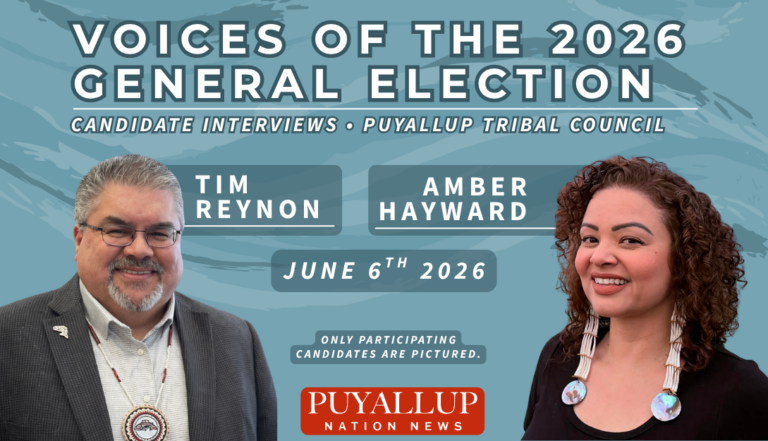
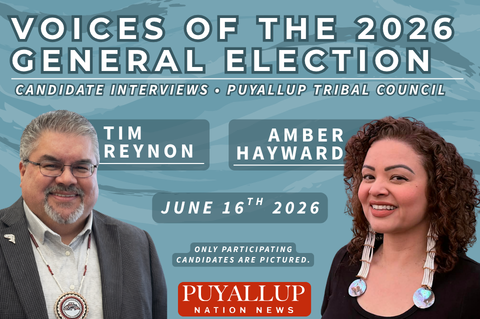
– Tim Reynon (Interviewed)
– Amber Hayward (Interviewed)
– Monica Miller (Did not respond for interview)
– Jim Jim Rider (Did not respond for interview)
Monica Miller and James Rideout declined to respond when PNN reached out for an interview request. We contacted all candidates running for general election to ask if they were interested in interviewing for an article, which would provide the opportunity for readers to gain direct insight into each candidate’s priorities, values, and vision for the future.
We appreciate Tim Reynon and Amber Hayward for taking the time to speak with us and share our belief that informed voting starts with accessible information that helps community members make decisions about the future they want.
Responses are summarized for clarity, with selected direct quotes included to reflect each candidate’s voice.
Key Themes from Candidates
From spending time with the candidates, several clear themes emerged:
– Amber Hayward: Bringing back culture, strengthening community, and building leadership through relationships.
– Tim Reynon: Experienced leadership focused on transparency, collaborative member involvement, and long-term planning.
These themes are based on responses from candidates who participated in this interview series.
Amber Hayward
Background & Experience
Amber Hayward spoke from a place deeply rooted in family, culture, and long-term service to the tribe. She shared that much of her professional life has been centered around cultural preservation and education, including work in accounting, historic preservation, and more than a decade in the Lushootseed language program. She emphasized that her identity is grounded in the work she has done to support culture, language, and community continuity, rather than formal political ambition.
Why She’s Running
Hayward informs that she did not set out planning to run, but it became something she felt called to step into. She described it less like a political decision and more like a responsibility that kept growing. Her focus is on bringing people back into connection with one another. At the center of her answer was the idea that the tribe feels more disconnected than it should, and that she wants to help rebuild that sense of “we are in this together.”
Key Issues & Priorities
A central theme in her responses was the importance of cultural connection as the foundation for community wellbeing. She connected issues such as addiction, homelessness, and disengagement to a deeper loss of identity and belonging, explaining that “when people are disconnected from culture and language, it becomes harder to address everything else in a lasting way.”
For Hayward, cultural restoration and togetherness is the center of tribal governance.
On services such as mental health, housing, and family support, Hayward emphasized that effectiveness depends on whether people feel culturally and socially connected enough to access them. She adds that services must be grounded in community realities and designed in ways that feel accessible and relevant, not distant or institutional.
Governance & Transparency
Hayward speaks directly about communication and governance, expressing concern that current systems often feel like a one-way flow of information rather than a two-way relationship. She emphasized that members need more consistent opportunities to engage beyond the current system.
She strongly supported the reinstatement of quarterly membership meetings, describing them as essential for rebuilding trust and improving accountability. While also expressing support for stronger accountability structures within leadership, including ethics-based oversight approaches such as a board of elders.
Youth & Community Vision
In discussing youth engagement, Hayward emphasized mentorship and participation, saying young people need real opportunities to learn leadership through involvement rather than passive observation alone.
She shared her experience working under mentor Judy Wright, a tribal elder in historic preservation, saying, “I got to watch this very classy, wonderful lady… and she trained me in those ways,” describing years of learning through close, hands-on experience. Hayward said that foundation shaped her understanding of cultural responsibility and leadership, noting that it “ties us back to our ancestors.”
She added that protecting cultural knowledge is essential to identity, saying, “If we lose our teachings and we lose our ancestral ways and our traditional roles, then we’re just like everybody else.”
Message to Voters
Hayward said, “Each leader is a direct reflection of their membership… vote for a person that you feel like represents you or where you want to be.”
She encouraged voters to think about leadership growth and direction, adding, “If you’re the smartest person in the room, then you’re in the wrong room… maybe you’re not there yet, but you like where that person’s going. That’s who I would vote for.
“She emphasized that the decision should reflect the future of the tribe, stating, “If I reflect what is good for the future… then I would ask for that vote, or for you to vote for whoever you feel is doing that for you.”
She closed by saying, “Vote for who’s not afraid… but keeps their focus on the people.”
Tim Reynon
Background & Experience
Tim Reynon described himself as deeply rooted in the Puyallup Tribe through family lineage and decades of professional and public service. He shared that he has worked for the tribe for over 23 years in roles including tribal law clerk, attorney, and Executive Director of Human Resources, Training, and Education.
He previously served two terms on Tribal Council and later worked with the Puyallup Tribal Health Authority, the City of Seattle as Tribal Relations Director, and currently serves as Executive Director of the Washington Governor’s Office of Indian Affairs. He emphasized that beyond his professional experience, his most important role is being a husband and father, and that he remains active in cultural traditions such as drumming, singing, and canoe journeys.
Why He’s Running
Reynon shared that he is running again to help bring the tribe together and reduce division. He emphasized increasing member engagement and prioritizing the return of quarterly membership meetings, along with structured listening sessions.
He stressed that leadership should not operate in isolation, stating, “No one tribal leader has all of the answers to the issues that are facing our community, but together, we have the answer collectively.”
His vision is described as shifting toward “community collaboration meetings,” where members are actively involved in problem solving and decision-making rather than only receiving updates from leadership.
Key Issues & Priorities
Reynon identified the opioid and fentanyl crisis as the most urgent issue facing the community, emphasizing the need for a coordinated, tribal-led response that includes prevention, treatment, and long-term recovery support.
He also highlighted long-term profitability, expanding economic growth through diversified businesses, and land ownership as essential long-term priorities to ensure financial stability for future generations.
Governance & Transparency
Reynon expressed concern about limited communication and transparency, including reduced access to voting records and the absence of regular membership meetings. He emphasized that transparency requires consistent communication and member involvement, stating, “We need more member engagement, more sharing of information, more transparency, all of those things.”
He noted that he previously drafted and submitted a Tribal Council Code of Conduct aimed at strengthening ethics standards and addressing conflicts of interest, stating: “it provided a system to hold our tribal council members accountable. And it provided very clear direction on what conflict of interest was and the penalties for how to handle those types of situations… it provided a system for us to hold ourselves accountable.” He added that the proposal has remained pending for several years without action, describing it as an example of accountability measures that still require follow-through.
He also pointed to efforts to improve information access, including a tribal member portal he helped work on, noting, “they are beta testing it right now,” and emphasizing its potential to improve communication between council and membership.
Community Services & Economic Development
Reynon emphasized the importance of direct engagement with members to better understand needs across housing, education, and family services, stating that solutions should come from consistent community input rather than top-down decision-making.
He highlighted the importance of supporting families through programs such as wraparound services and reentry support, and noted ongoing concerns around housing and special needs services.
In economic development, he supported continued expansion and emphasized relying on internal expertise, particularly in areas like port development and long-term investment strategy. He explained that tribal professionals should be empowered to bring forward opportunities for consideration rather than decisions being made without their input.
Youth & Community Vision
He supported reviving the tribal youth council and expanding opportunities for youth to participate in governance and regional forums. He emphasized mentorship and exposure to leadership systems as key to developing future leaders.
Message to Voters
Reynon said, “Their voice matters… we need them to be involved in our government… we can’t do it alone.”
He added, “Everybody’s voices are important, and their vote is their voice.”
He encouraged voters to think about what they want to see in leadership, stating that if they want more involvement, cultural protection, and transparency, “then they need to vote for that very thing when they go out and vote.”
How to Vote
– General Election:June 16th, 2026 10:00 AM – 4:00 PM at Chief Leschi School. 5625 52nd Street East Puyallup, WA 98371
– General Absentee Ballots: Deadline for request is May 7th, 2026.Ballots must be received in the Election Board’s mail box by 8:00 AM on June 16th, 2026. 1625 E. 72nd St. Ste 700–PMB 149 Tacoma, WA 98404
For more important dates and information about election season, click here .