
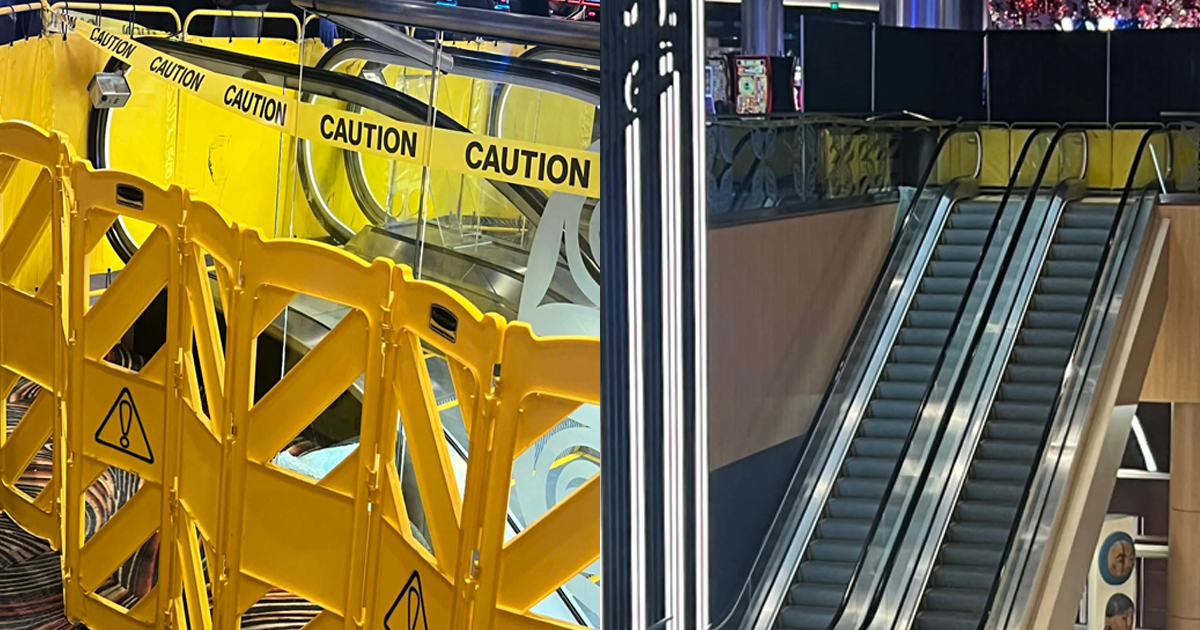
On Saturday, December 20, Tacoma Fire Department responded to a call from Emerald Queen Casino reporting that a person had fallen through glass inside the building near escalators. The individual was pronounced dead at the scene, a Tacoma Fire spokesperson told KING 5 News, which first reported the incident.
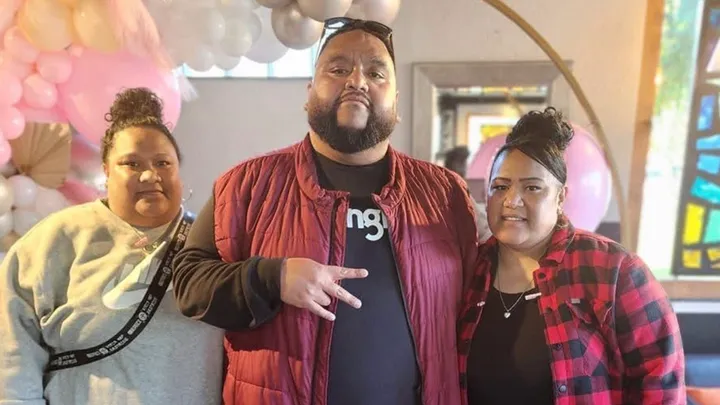
The man was identified as Evan Potifara, a 37-year-old family man from Federal Way who was at the casino with friends on Saturday. Unverified social media posts suggested the victim may have been near a glass railing before falling, a detail confirmed by a 911 call obtained by PNN, which reports he fell approximately two stories near an escalator and that bystanders immediately attempted to assist him. The Pierce County Medical Examiner confirmed that Potifara died from blunt torso trauma and ruled the manner of death an accident.
A candlelight vigil will be held for Evan Potifara at 5 p.m. on Jan. 3 at the Aki Kurose basketball courts, 3928 S. Graham St., Seattle. “Let’s light the night with memories and love as we honor and remember an incredible life,” reads a flyer for the vigil. A GoFundMe has also been set up to support the family and raise awareness about safety in public spaces. The fundraiser can be found here .
Since the accident occurred on tribal land, the investigation was handed over to the Puyallup Tribal Police Department. The victim’s family is taking initiative to do their own research by speaking with individuals who were present, emphasizing that their goal is to “do the right thing,” rather than assign blame.
Transparency and cooperation are essential in situations like this. A week after the incident, Puyallup Tribal Police, Emerald Queen Casino, and the Puyallup Tribe of Indians had not issued a public statement, raising concerns among community members seeking clarity.
Did anyone ever suggest that the rails in question needed to be changed or replaced?
Was the rail or railings in question ever reinforced?
Are there service records or work orders for the rails that anyone, including the EQC, may have?
In the absence of official information, community members and safety advocates have begun asking broader questions that require careful, critical thinking when assessing public safety incidents. Rather than drawing conclusions, these questions reflect a need for transparency and accountability in spaces used by the public.
Through a public records request, PNN obtained the 911 audio. The call shows that bystanders attempted to help the victim, while casino security was present and managing the scene. Security ultimately declined to speak directly with emergency responders when requested, a decision that may have been influenced by liability concerns. The casino has not publicly commented on its emergency response policies.
Absher Construction Company and Kitchell Contractors worked in a joint-venture partnership to build the $400 million casino. Brett Ewing, the key contact for the development of EQC, was contacted for a statement about the challenges of balancing aesthetics, safety, and accessibility, but did not respond.

PNN reached out to Yale Lewis III, a Native American law attorney, regarding Tribal Sovereign Immunity. Attorney Lewis explained that while tribes generally have sovereign immunity, most tribes with casinos waive their immunity through the Tort Act.
Families seeking legal recourse after an accidental death on tribal land face additional hurdles. One of these is the Puyallup Tribe’s Tribal Tort Claims Act (TTCA), which provides a limited waiver of the tribe’s sovereign immunity while imposing strict procedural requirements. Under the TTCA, claimants must submit a formal written notice by certified mail to both the secretary of the Tribal Council and the Director of the Tribal Law Office within 180 days of the incident, then wait 90 days before filing a lawsuit in Tribal Court. All claims are heard by a Tribal Court judge without a jury, and even minor procedural errors can bar a claim, regardless of whether negligence occurred.
While it is appreciable that the Puyallup Tribe provides this legal pathway, the 180-day notice requirement is significantly shorter than most statutes of limitations, which typically last 2–3 years. The strict deadlines and mailing requirements mean that minor clerical errors could prevent a claim from moving forward, regardless of its merits. If Evan’s family successfully navigates the TTCA procedures, their case would be heard in Tribal Court, where outcomes may be shaped more by procedural rules than the merits of the case itself.
Situations in which governments investigate incidents on their own land can create public distrust, particularly when information is limited. Transparency and clear communication are critical to maintaining public confidence. PNN respectfully requests that the Puyallup Tribe of Indians provide more details about the investigation and next steps. This request is not intended to discredit or shame the tribe but to ensure the community is informed and that the investigation proceeds in a manner that demonstrates accountability and fairness.